




Which is better, high-speed steel end mill or hard alloy end mill?
High speed steel (HSS) and hard alloy are commonly used cutting tool materials, which play a key role in many fields such as manufacturing, aerospace, automotive industry, construction industry, mining, medical field, and electronics industry due to their excellent performance. Its outstanding performance and durability make it an indispensable material choice in modern industry. Tungsten steel is not equal to high-speed steel.
1、 Characteristics of high-speed steel
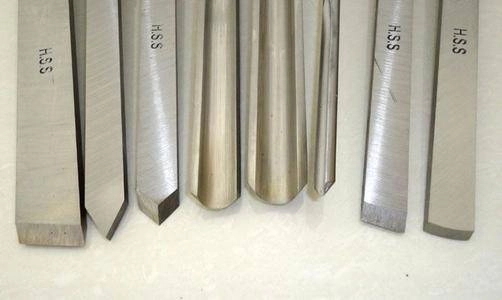
High speed steel end mill, abbreviated as HSS, is a high-quality tool steel.
Widely used in industrial fields such as metal processing, drilling, milling, cutting, and turning.
The main components of high-speed steel are alloying elements such as carbon, chromium, tungsten, and molybdenum.
High speed steel is commonly used to manufacture complex thin edged, impact resistant cutting tools, and can also be used in fields such as molds and sheet metal processing.
Due to the high content of alloying elements in high-speed steel, it requires high-temperature quenching and tempering to achieve its desired properties.
The red hardness of high-speed steel can reach 650 degrees, and the machinable hardness can reach HRC64-68.
2. Characteristics of Hard Alloy
Hard alloy end milling cutter Hard alloy, also known as hard alloy tungsten cobalt, is a material known for its excellent hardness, wear resistance, and high temperature resistance.
Hard alloys are widely used in CNC machining centers, molds, medical industries, automotive parts, aerospace and other fields.
It is a composite material made by high-temperature sintering of hard powders such as tungsten (W) powder and tungsten carbide (WC) with other metal powders such as cobalt (Co) powder.
The main components of cemented carbide include tungsten carbide powder (usually tungsten carbide) and binder, usually cobalt. These materials are mixed and sintered at high temperatures to form hard and durable composite materials.
Hard alloy is mainly used to manufacture high hardness molds and cutting tools, such as high hardness cutting edges.
Hard alloy can be used after normalizing, tempering, and annealing. Generally speaking, the hardness, wear resistance, and heat resistance of hard alloys are better than those of high-speed steel.
Hard alloy is used for cutting cast iron, non-ferrous metals, plastics, graphite, and ordinary steel. It can also be used for difficult to cut materials such as titanium alloys, nickel based alloys, heat-resistant alloys, austenitic stainless steel, etc. High density, high strength, high hardness, good wear resistance, good red hardness and other excellent properties. It remains basically unchanged at a temperature of 500 degrees Celsius and has high hardness even at a temperature of 1000 degrees Celsius.
The hardness of red carbides can reach 800-1000 degrees, and the content of high-temperature carbides exceeds that of high-speed steel, with a hardness of HRC75-80.
The difference between high-speed steel and hard alloy is that high-speed steel needs to undergo heat treatment to increase its hardness. If it is not heat-treated, it will become soft on its own.
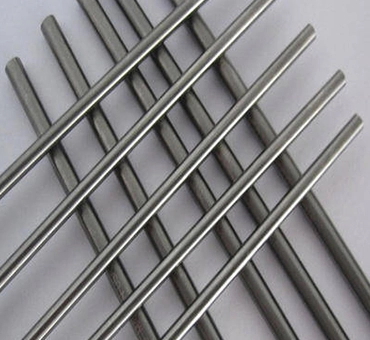
Here's how to distinguish between hard alloys and high-speed steel:
One is the identification of grinding wheel sparks, and the dark red sparks are high-speed steel. The second type is hard alloy, which is easily brittle when struck with a hammer. The third method is to conduct experiments using magnets. Hard alloy is not attractive, but high-speed steel is.
There is a significant cost difference between high-speed steel (HSS) and hard alloys in the manufacturing and use process. These differences are mainly related to material costs, tool life, and production efficiency. The following is an analysis of the cost difference between high-speed steel and hard alloy:
The raw materials for high-speed steel are relatively cheap, and compared to hard alloys, the cost of these materials is lower. The raw materials for hard alloys are relatively expensive, especially those with high cobalt content.
Although high-speed steel cutting tools are relatively inexpensive, their service life in cutting operations is usually short. This means that under high-intensity, high wear, or high-temperature cutting conditions, tool replacement is required more frequently, thereby increasing labor and tool costs. Hard alloy cutting tools typically have a long service life due to their excellent wear resistance and hardness. They can continue to operate under more challenging cutting conditions, thereby reducing tool replacement frequency and related costs.
High speed steel cutting tools usually require more careful cutting parameter settings to avoid excessive wear and tool damage. This may result in slower cutting speeds and reduced productivity, thus requiring more labor hours and labor costs. Hard alloy cutting tools are typically able to operate at higher cutting speeds, thereby increasing productivity. They can operate at higher feed and cutting speeds, thus typically requiring less labor hours and lower labor costs.
Overall, although the raw material cost of hard alloys is relatively high, they can achieve lower overall costs in certain applications due to their longer tool life and higher productivity. But in some low demand and lightweight cutting tasks, high-speed steel is still an economical choice. Therefore, the selection of tool materials should be based on specific processing requirements, cost budget, and production efficiency.
In summary, both hard alloys and high-speed steel play critical roles in manufacturing, but their properties and applications differ. Understanding their characteristics and when to use which materials is crucial for effectively selecting cutting tools to ensure tool performance and machining quality.
Although hard alloy and high-speed steel are both processing materials, they have significant differences in alloy factors, applications, and processing properties. In daily production and processing, reasonable selection and use based on the needs of different workpieces, equipment, materials, etc. can better play the role of hard alloys and high-speed steel.
 Phone:
